 Orthotics4U
Custom Orthotics for Older Adults: Comfort, Stability, and Everyday Walking
Published on November 14, 2026 | By Dr. Milton J. SternComfortable walking is an important part of staying active as we age. Foot discomfort, reduced cushioning, changes in balance, arthritis, and long-standing structural problems can make ordinary activities more difficult. Appropriate footwear and an individualized foot-support plan may help older adults walk more comfortably.
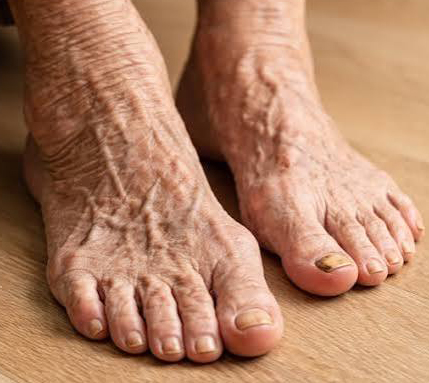
Common Foot Challenges With Aging
Some older adults experience reduced fat-pad cushioning beneath the heel or forefoot, joint stiffness, changing arch shape, or increased sensitivity to pressure. Others have plantar fasciitis, bunions, hammertoes, or arthritis. These problems can affect shoe fit and walking tolerance, but should not be dismissed as “just getting older.”
Start With Proper Shoes and a Foot Assessment
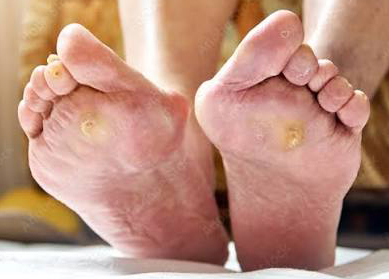
A supportive shoe should fit the length and width of the foot, provide a secure heel, and leave adequate room for the toes. A clinician can assess painful areas, skin condition, foot alignment, joint mobility, and walking pattern. People with diabetes, neuropathy, or circulation problems should seek guidance before changing inserts or footwear.
When Custom Orthotics May Help
Custom orthotics can be considered when examination identifies a mechanical problem that may respond to support or pressure redistribution. Depending on the prescription, an orthotic may accommodate a prominent area, support the arch, or improve footwear function. The best design balances support with comfort and fits properly inside the shoe.
A Practical Goal: More Comfortable Daily Activity
Orthotics do not prevent every fall or eliminate every source of foot pain. Their value is greatest when they address a specific finding and are used with suitable shoes and an appropriate activity plan. New pain, skin breakdown, sudden swelling, or a rapid change in walking ability should be evaluated promptly.