 Orthotics4U
Custom Orthotics vs. Store-Bought Inserts: Why the Difference Matters
Published on November 20, 2026 | By Dr. Milton J. SternWhen people experience foot discomfort, fatigue while standing, or pain with walking, they often look for something to place inside their shoes. A pharmacy, sporting-goods store, or online retailer may offer dozens of inserts with cushioning, arch support, heel cups, or different shapes. Some people find these products helpful. Others discover that a general-purpose insert does not address their particular problem.
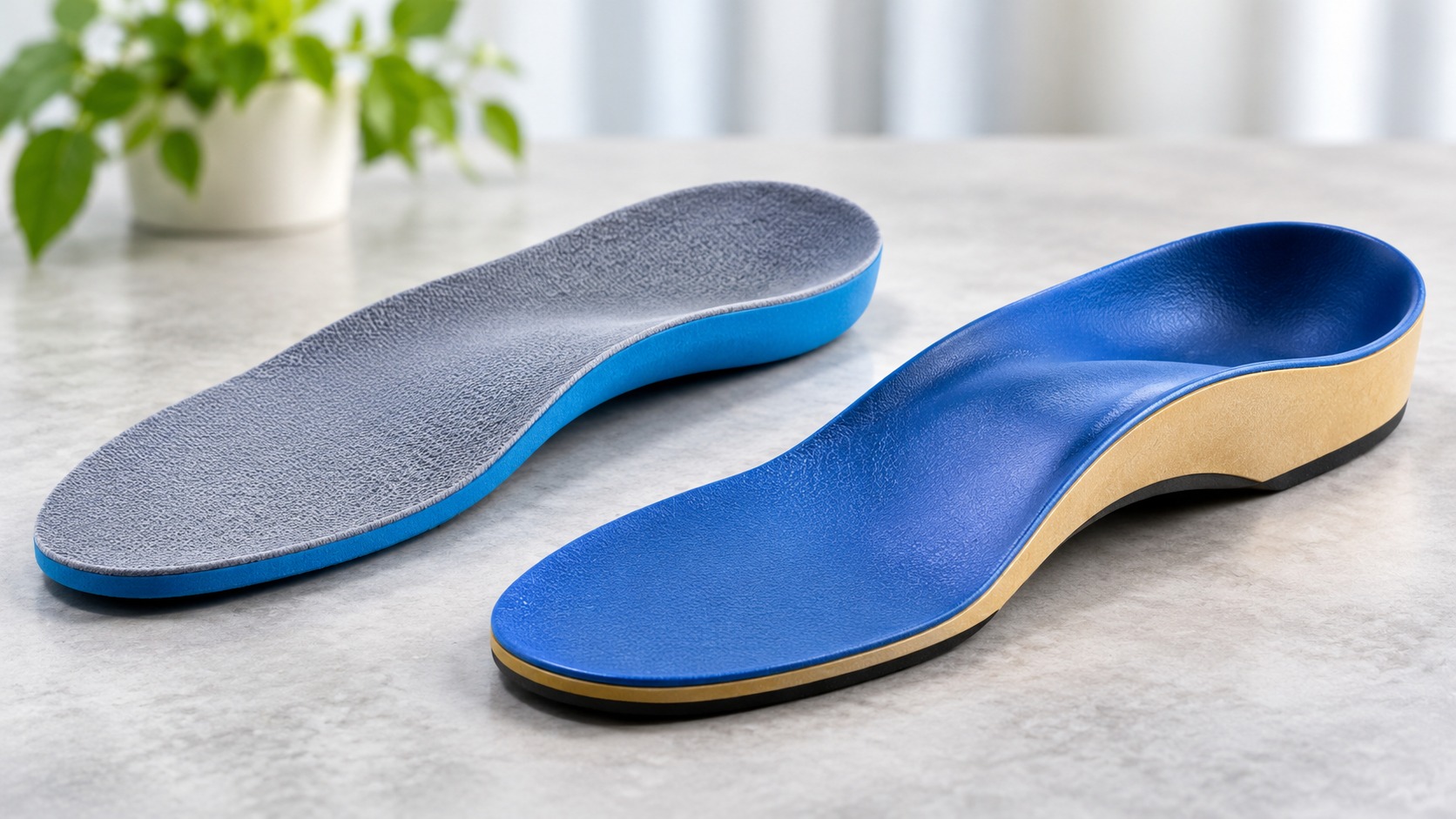
What Is a Store-Bought Insert?
Store-bought inserts are made in standard sizes and shapes for broad groups of users. They may offer cushioning, a raised arch, a heel cup, a softer top layer, or a combination of features. Because they are mass-produced, they are readily available and generally less expensive than prescription custom orthotics.
For someone seeking extra cushioning or a more comfortable shoe, an over-the-counter insert may be a reasonable starting point. A person with mild, occasional discomfort may do well with a product that feels comfortable and fits the shoe. Store-bought inserts are not automatically ineffective; their limitations arise when the needs of an individual foot exceed what a standard design can provide.
What Is a Custom Orthotic?
A custom orthotic is an individually designed device intended to address the needs of a particular person. Its design may consider foot shape, joint movement, alignment, symptoms, footwear, activity level, pressure-sensitive areas, and the goals of treatment. The orthotic can be selected or constructed with specific contours, materials, thicknesses, and functional features.
Custom does not simply mean a device with a taller arch or a more expensive material. The important distinction is that the device is designed around an individual's evaluation and the purpose it is meant to serve. The prescription and design should have a reason—not just a shape.
The Main Differences
- Design: Store-bought inserts use standardized shapes. Custom orthotics are individualized to the person's needs and the intended function of the device.
- Fit: Retail inserts are trimmed or selected by size. A custom orthotic is designed with the person's foot and footwear requirements in mind.
- Purpose: Many retail inserts emphasize general comfort and cushioning. Custom devices can be designed to provide specific support, accommodate pressure, or influence foot function.
- Material and construction: Both types may use a variety of materials. Custom devices can be chosen or built with material characteristics suited to the individual and the intended use.
- Evaluation: Retail products are commonly selected by the consumer. A custom orthotic should follow an appropriate clinical assessment and prescription.
- Adjustability and follow-up: Custom devices may require evaluation of fit and function, and adjustments when indicated.
Why One Insert Does Not Work for Everyone
Feet differ in more than arch height. Two people can have the same shoe size and similar-looking arches, yet have different joint mobility, heel position, forefoot alignment, flexibility, muscle function, pressure sensitivity, walking patterns, symptoms, and activity demands. Those differences can affect which features are helpful and which might create unwanted pressure.
Choosing an insert solely because it has a high arch, a soft cushion, or a popular brand does not establish that it is right for the individual. The question is not simply, “Which insert is best?” It is, “What problem needs to be addressed, and what features are appropriate for this foot?”
When a Store-Bought Insert May Be Enough
A retail insert may be a sensible option when the primary goal is general cushioning, comfort, or a modest change in shoe feel—and when it fits well and does not aggravate symptoms. If it helps the person comfortably perform everyday activities, there may be no need to move to a more individualized device.
However, persistent pain, recurring symptoms, significant pressure in a specific area, or discomfort that limits walking or activity deserves closer evaluation. Simply trying one insert after another may not identify the underlying contributor.
When Custom Orthotics May Be Worth Considering
Custom orthotics may be considered when symptoms or foot mechanics call for a more specific design than a standard insert can provide. Depending on the clinical findings, a device may be designed to support or guide portions of the foot, redistribute pressure, accommodate a sensitive area, or help manage mechanical contributors to symptoms during standing and walking.
The decision should be individualized. Custom orthotics are not necessary for everyone, and they do not guarantee that pain will resolve. Their value depends on identifying an appropriate goal, choosing a design that addresses it, fitting the device to the footwear, and evaluating the result.
Why the Examination Matters
An orthotic should not be prescribed simply because a person has flat feet, high arches, or a certain shoe size. An evaluation may consider symptom history, foot structure, joint motion, alignment, footwear, activity, and how the person moves. These observations help determine whether an orthotic is appropriate and what it should be designed to accomplish.
For more information, read Why a Biomechanical Examination Is Essential Before Prescribing Custom Orthotics. The goal is to match the device to the person—not to fit the person to a predetermined insert.
Comfort, Fit, and Wearing Time
Whether an insert is store-bought or custom-made, it should fit the shoe without crowding the toes, shifting excessively, or creating uncomfortable pressure. A new device may feel different, so follow the recommended wearing instructions and increase use gradually when advised. Significant pain, numbness, skin irritation, or persistent worsening is not something to ignore.
The Orthotics4U Perspective
At Orthotics4U, the emphasis is on understanding the individual foot and the problem being addressed before deciding what type of orthotic may be appropriate. With 46 years of podiatric experience, Dr. Milton J. Stern has focused on foot biomechanics and heel pain syndromes. The goal is to offer an individualized approach rather than assuming that one standard insert or one arch shape is right for everyone.
Learn more about How We Do It, browse our Foot Conditions information, or visit Products. Questions can be submitted through our Contact page.
In Summary
Store-bought inserts can be useful for general comfort and cushioning, and many people may find that they meet their needs. Custom orthotics are different because they are designed around an individual's evaluation and specific goals. The right choice depends on the foot, symptoms, activities, footwear, and what the device is expected to accomplish. The most appropriate insert is not necessarily the most expensive or the most rigid—it is the one suited to the person's needs.
Educational disclaimer: This article is intended for general educational purposes and is not a substitute for an individual medical examination, diagnosis, or treatment. Persistent pain, sudden severe symptoms, significant swelling, an open wound, new numbness, or difficulty bearing weight should be evaluated by a healthcare professional.